How to Choose Ice Melt That Will Not Wreck Concrete
cold-climate homes in the United States and Canada; call a licensed trade where the steps say so · Last checked · Suggest an edit
https://instructions.wiki/winter/choose-ice-melt-that-will-not-wreck-concrete
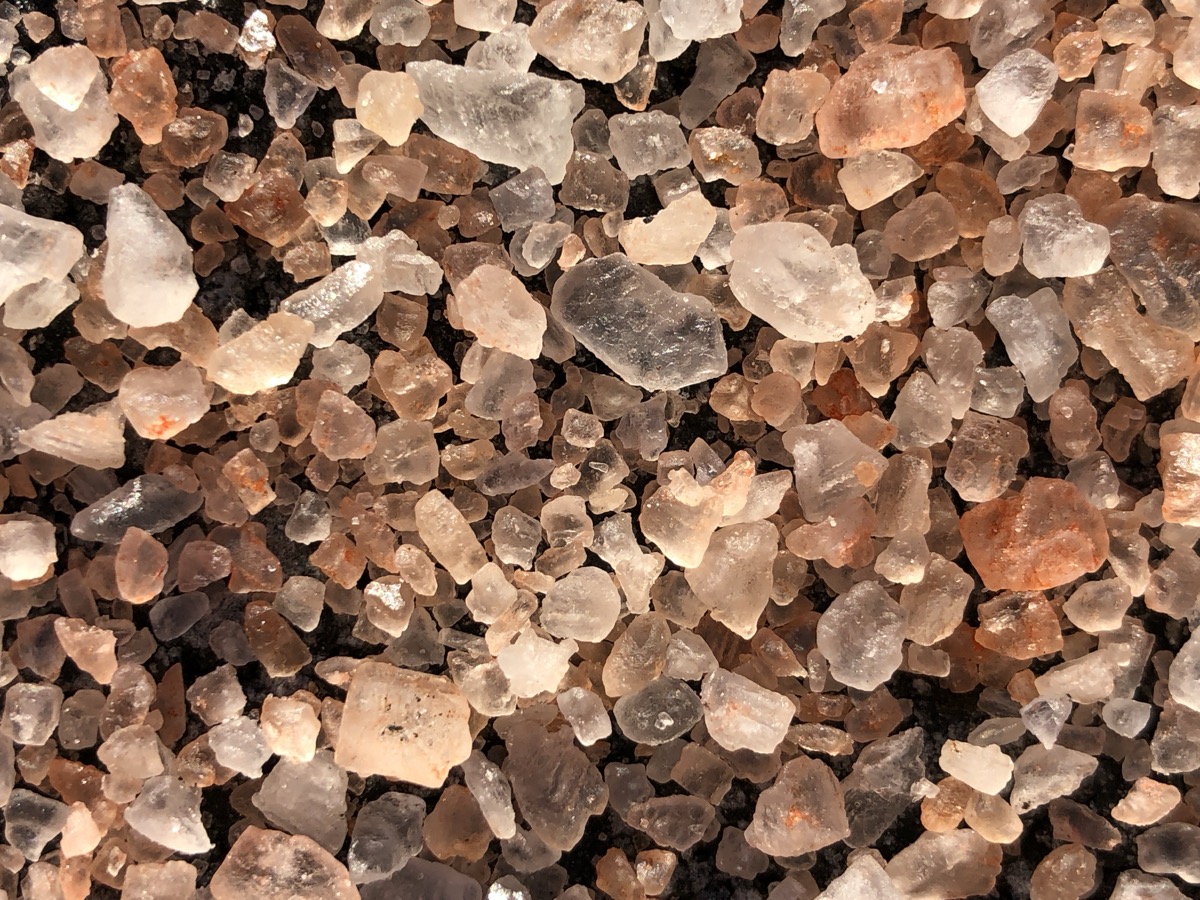
Pitted, flaking concrete gets blamed on salt, but the chemical itself is rarely what did it. Ice melt keeps water liquid at the surface, that water soaks into the pores of the slab, and every swing back below freezing expands it again. The damage is the extra freeze and thaw cycles. Choosing well means using the least product that will work at the temperature outside.
Match the chemical to the pavement temperature
Rock salt, which is sodium chloride, is the cheapest and the most common, and it stops doing much near 20F (-7C). Calcium chloride stays effective to roughly -25F (-32C), melts fastest, and gives off heat as it dissolves. Magnesium chloride works to about 0F (-18C) and is gentler on plants and on pet paws. Calcium magnesium acetate, sold as CMA, is the least corrosive option and performs poorly below about 20F (-7C). A blend labeled for the coldest night in your forecast beats reapplying a product that has quit working.
Keep fertilizer off the driveway
Products containing ammonium sulfate or ammonium nitrate melt ice and are sometimes recommended as a substitute. They chemically attack concrete and corrode reinforcing steel. Never use a fertilizer as a de-icer, and read the label of anything sold as a pet safe or plant safe melter to confirm it is not ammonium based.
Leave new concrete alone for a full year
Concrete poured within the last year has not cured enough to survive the freeze and thaw cycling that de-icers create, and a single winter of salt on a fresh slab causes the surface to scale off in sheets. Give it a full year, and a penetrating sealer before the second winter helps after that.
Use sand where melting is not the goal
Sand adds traction without melting anything, without chemistry, and without extra meltwater in the slab. It is the right answer on a new driveway, on decorative or stamped concrete, and on the coldest days when nothing is melting anyway. Sweep it up in spring so it does not wash into drains.
Spread less and clean up what is left
Shovel first, then scatter a thin, even layer instead of a heavy line. Most bags call for a few ounces per square yard, and piles of undissolved product do nothing but wash into the lawn. Once the ice releases, scrape it off and sweep the leftover granules into the trash rather than letting the runoff reach plantings or a well.
For pets. Wipe or rinse paws after a walk, since chlorides irritate pads and are harmful if licked off.
On stone, brick, and metal. Chlorides pit natural stone, loosen mortar joints, and corrode railings and rebar. Sand or CMA is the safer choice near them.