How to Rake Snow Off a Roof
cold-climate homes in the United States and Canada; call a licensed trade where the steps say so · Last checked · Suggest an edit
https://instructions.wiki/winter/rake-snow-off-a-roof
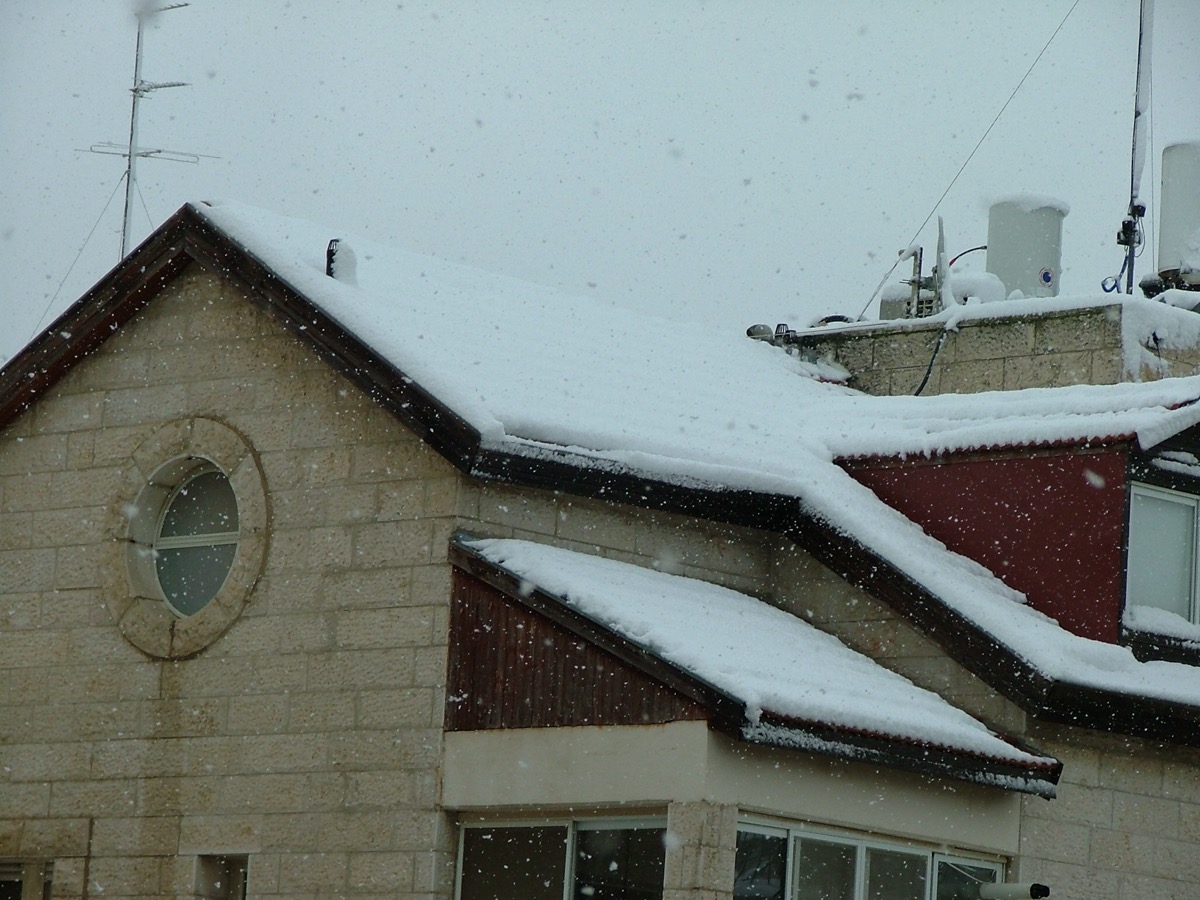
A roof rake looks like a shovel on a pole, and that is where most of the damage starts. It is not for scraping the deck clean, and it is not a reason to go up a ladder. Used from the ground on the first few feet above the eave, it takes away the snow that feeds an ice dam and lightens a loaded roof.
Look up before extending the pole
Find the electrical service drop where it meets the house, along with any other overhead line, and mark the area in your head as off limits. A metal rake that touches a service line carries current straight down the pole and kills people. If the snow you need is near a line, stop and call a contractor or the utility.
Set up on the ground, to the side
Stand on cleared, level footing, never on a ladder, on a deck rail, or on the roof itself. A snowy or icy roof gives no traction and an ice dam hides under the snow. Work from a position off to the side of the fall line so the slab of snow lands beside you rather than on your head, and wear eye protection against falling ice.
Pull the snow straight down the slope
Set the blade on the snow near the eave and draw it down the pitch in line with the shingle courses. Dragging sideways across the roof catches shingle edges and lifts them. Take a foot or so of depth at a time rather than the full load in one pull, and clear the pile at the eave as it builds so it does not freeze into a new ridge.
Leave an inch of snow behind
Stop while there is still a thin layer covering the shingles. Scraping down to the surface tears off granules and shortens the life of the roof, and it is unnecessary. Plastic or roller style blades, and the standoff wheels some rakes include, keep the edge from touching the shingles at all.
Clear only the first few feet from the eave
Ice dams form at the cold overhang, so that band is where the snow matters. The middle of the roof can stay covered. If the roof is steep, on a second story out of reach, or out of sight from the ground, the job belongs to an insured contractor, not to a longer pole.
Watch the snow load. Wet snow can weigh several times what the same depth of dry snow weighs, and rain on top of old snow is worse again. Doors and windows that suddenly stick, new cracks in ceilings, sagging, or creaking are reasons to get everyone out of the building and call the fire department or a structural engineer from outside.
Photo: SuperJew, CC BY-SA 3.0.