How to Open a Frozen Door Lock
cold-climate homes in the United States and Canada; call a licensed trade where the steps say so · Last checked · Suggest an edit
https://instructions.wiki/winter/open-a-frozen-door-lock
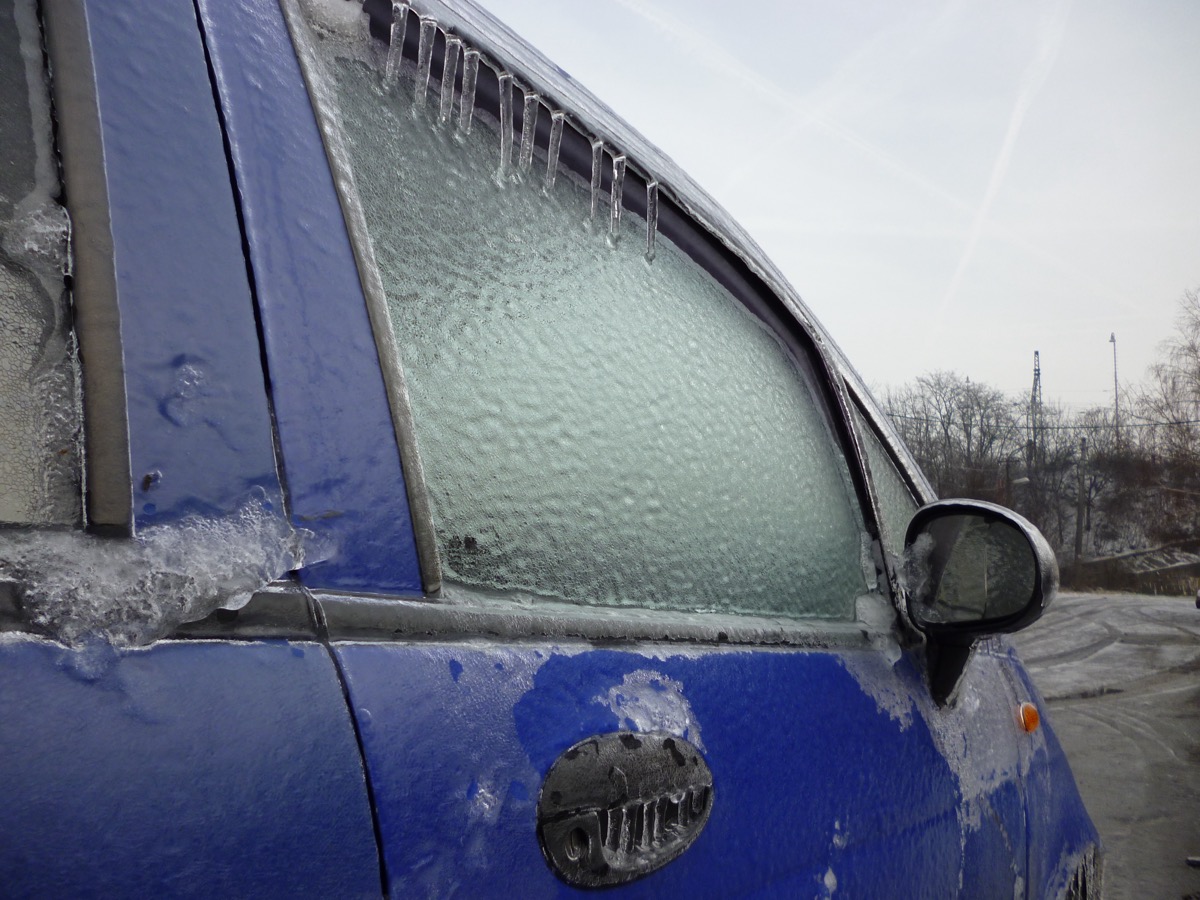
The key goes partway in and stops, or it turns a quarter of the way and jams. The lock is almost never broken. Moisture that worked its way into the cylinder or the latch has frozen, and a thin film of ice on the pins or the bolt is enough to stop everything. The fix is a solvent that melts ice without adding more water.
Keep hot water away from the lock
Pouring hot water on a frozen lock feels obvious and makes everything worse. The water runs into the cylinder, refreezes deeper and harder within minutes, can crack a very cold brass or cast cylinder from thermal shock, and freezes the door to its frame along the bottom. The same goes for a kettle aimed at the handle.
Work de-icer or alcohol into the cylinder
Use a commercial lock de-icer, which is mostly isopropyl alcohol and lowers the freezing point on contact. Squirt it into the keyway, wait 30 seconds, then insert the key slowly and rock it gently rather than forcing it. With no de-icer on hand, coat the key blade in alcohol-based hand sanitizer and work it in and out several times, reapplying between tries.
Warm the key, not the lock
Heating the key with a lighter for a few seconds and sliding it in transfers just enough warmth to release the pins. Repeat two or three times instead of forcing a single attempt. Never do this with a key that has a plastic head, a key attached to an electronic fob, or a key with a transponder chip, since the heat destroys all three.
Free a door frozen to its frame
If the cylinder turns but the door will not budge, the weatherstripping has frozen to the frame or the latch itself is iced. Press firmly against the door with a shoulder or the flat of a hand along the seal to crack the ice, then try again. Do not lever the handle hard, because a cold key snaps off in the cylinder and turns a ten minute problem into a locksmith call.
Keep the lock dry for the rest of winter
Once it opens, dry the cylinder and treat it with powdered graphite. Do not use oil or a general purpose penetrating spray, which attracts grit and holds the moisture that freezes on the next cold night. An exposed padlock on a gate or shed gets a rubber cover or a plastic bag taped over it.
A car door lock is the same problem. The same de-icer, the same warmed key, and the same rule about hot water apply, and a frozen door seal on a car yields to steady pressure rather than a hard pull on the handle.